The Carat Post independently selects every recommendation. If you purchase through certain links, we may earn a commission at no additional cost to you. Affiliate relationships do not determine our editorial conclusions.
Why trust this recommendation?
Every piece here is chosen by Karina, who has spent 11 years in fine watches and is studying gemology with GIA. Picks are judged from the retailer’s published specifications: stone, grading, setting, metal and price.
Prices were checked on the date shown in the article and can change. Specifications come from the retailer’s listing; nothing is estimated.
Read our editorial standards.

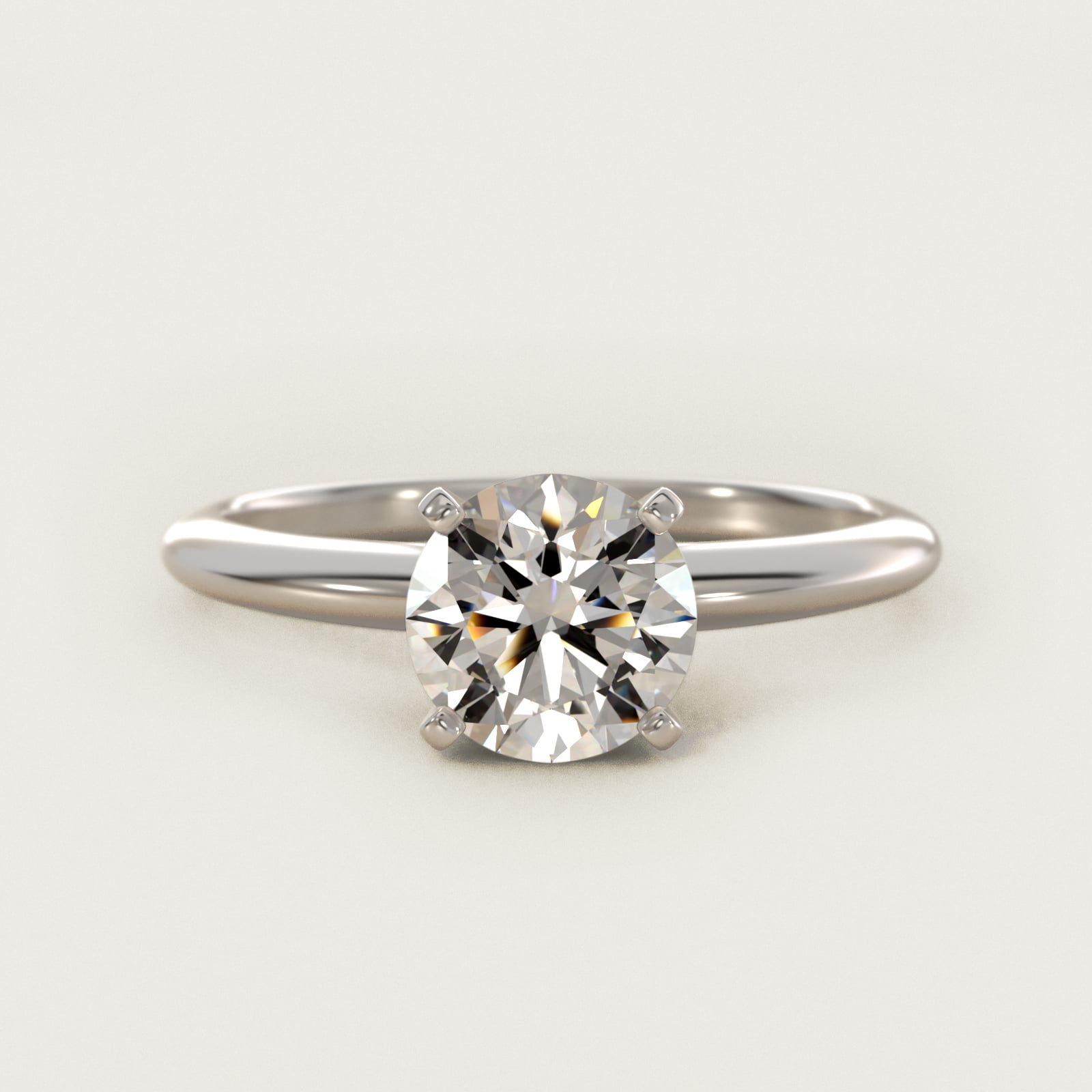
Hold them side by side and you will not see the difference. Neither will most jewelers with a loupe. Yet one diamond formed deep in the earth over billions of years and the other grew in a chamber in a matter of weeks, and in 2026 the price gap between them has never been wider.
Ring prices shown are for the setting; the center diamond is sold separately.
Shop the story at Blue Nile
- Natural diamond search: filter by every grade.
- Riviera Pavé Lab-Grown Diamond Ring, $1,250 setting.
- Best-selling engagement rings for finished designs.
The Carat Post may earn a commission.
At a glance
- Natural, 1 carat round: about $3,550 per carat (late September 2026).
- Lab-grown equivalent: about $670, roughly 81% less.
- Natural prices this year: down about 14% since January.
- Lab-grown price trend: wholesale prices fell about 74% between 2020 and 2025, according to Edahn Golan Diamond Research.
- Market share: lab-grown centre stones now make up about 61% of U.S. engagement rings.
- Can you tell them apart? Only with specialised laboratory equipment.
What is a lab-grown diamond?
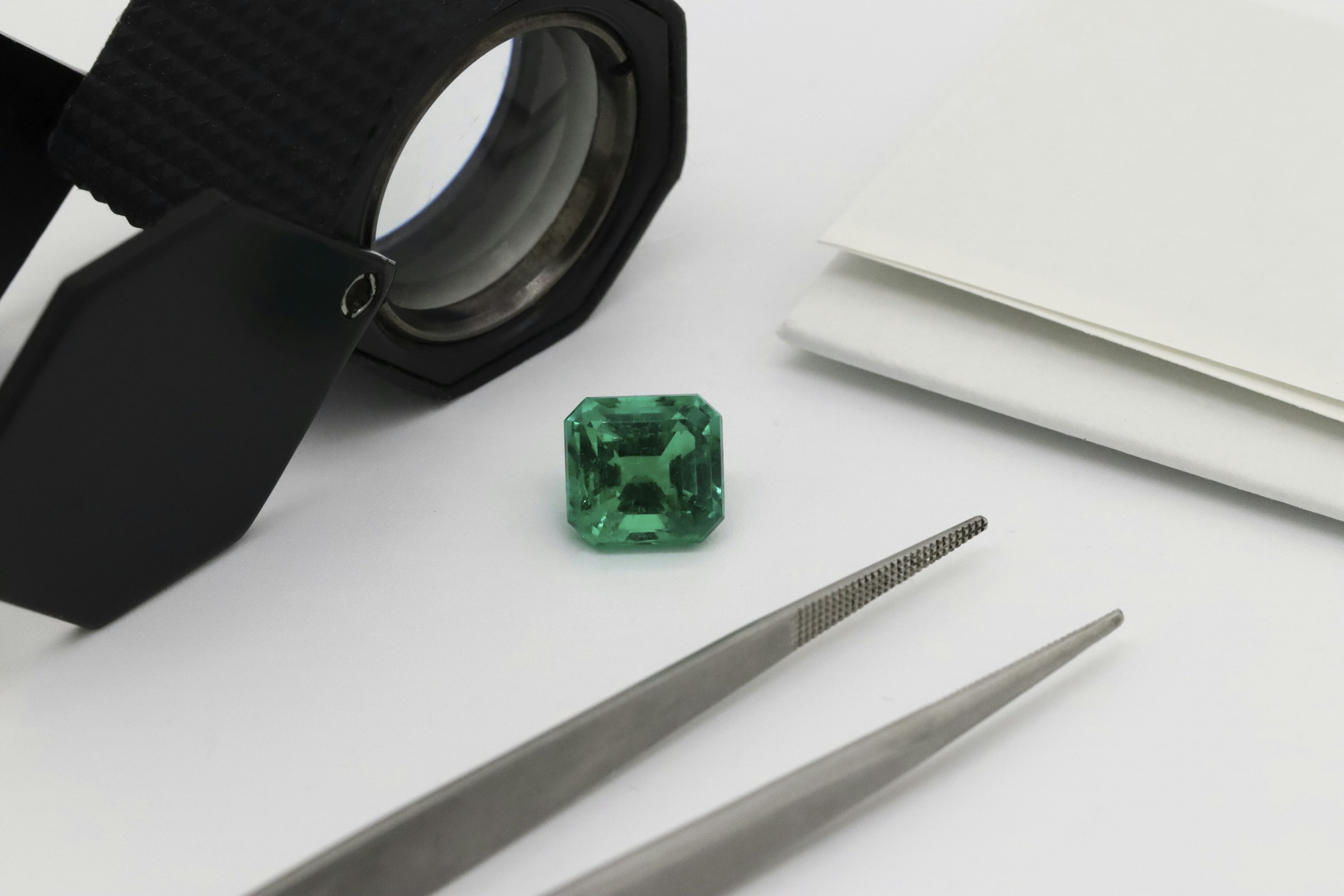
A lab-grown diamond is real diamond: crystallised carbon with the same hardness, the same way of bending light and the same fire as a mined stone. It is grown from a small diamond seed, either under intense heat and pressure (HPHT) or from carbon-rich gas (CVD). A standard diamond tester cannot separate the two, because both conduct heat identically. Grading labs identify origin by reading growth patterns and trace elements, and reputable grading reports state the origin.

How much do lab-grown and natural diamonds cost in 2026?
A live price index built from more than 500,000 retail listings puts a 1-carat natural round at about $3,550 per carat as of September 24, 2026, with the lab-grown equivalent around $670. Natural prices have fallen about 14% since January, after the Rapaport index recorded an 11.3% drop for 1-carat natural stones across 2025.
Lab-grown prices, meanwhile, appear to have found a floor after years of steep declines: wholesale prices fell about 74% between 2020 and 2025, according to Edahn Golan Diamond Research. Several trackers now describe the market as stable, which means waiting for a further fall is no longer much of a strategy in either category.

A 70-year history of the man-made diamond
Scientists chased synthetic diamond for more than a century before General Electric produced the first reproducible synthetic diamonds in 1954. For decades those stones were small and industrial, destined for drill bits rather than rings. The leap to gem quality came with improved CVD growth in the 2010s. In 2018, De Beers launched its own lab-grown brand, Lightbox, pricing stones as affordable fashion rather than heirlooms, and a surge of production capacity, much of it in India from around 2023, drove prices down with remarkable speed. De Beers announced in 2025 that it would close Lightbox, but by then the market had changed for good.
The difference is not in the stone. It is in the story, and in the price.
Shop the story
- Lab-grown diamond studs in 14k gold: more sparkle for the money.
- Natural diamond studs in 14k gold: the mined classic.
- A lab-grown diamond tennis bracelet, where lab stones shine brightest on value.
As an Amazon Associate, The Carat Post earns from qualifying purchases.
Which should you buy?


In our view, choose lab-grown if size and quality for the money matter most. The savings are large enough to move from one carat to two, or to put the difference toward a honeymoon. Choose natural if rarity, origin and the long tradition of a mined stone matter to you; it is still the norm in high jewelry, where the great maisons build their collections around natural stones precisely because they cannot be made to order. Natural stones have historically resold more readily than lab-grown, but resale prices for any diamond are typically well below retail, past prices don’t predict future value, and neither type is a financial investment.
Where you shop is shifting too. Blue Nile says it is now primarily a natural-diamond jeweler, and its natural diamond search lets you filter by every grade. Its lab-grown pieces now sit within the James Allen collection on the same site.
To see what each choice buys at a serious budget, our edit of the best fine jewelry from $5,000–$10,000 sets natural and lab-grown pieces side by side, and The Carat Post’s fine jewelry buying guides cover the 4Cs, shapes and settings in more depth.


How to care for your diamond jewelry
Diamonds are hard, but they attract skin oil and lotion, so a ring worn every day dulls quickly. Once a week, soak it in warm water with a drop of mild dish soap, brush gently behind the stone with a soft jewelry brush, rinse and dry with a jewelry polishing cloth. An ultrasonic jewelry cleaner is safe for most solid diamond and gold pieces, but skip it for emeralds, opals, pearls and any piece with a loose stone.
Store each piece on its own in a lined jewelry box so diamonds don’t scratch softer metals, keep a travel jewelry case for trips, and leave a ring dish by the sink so rings come off for dishes, the gym, gardening and bleach. Have a jeweler check the prongs once a year. If you buy from Blue Nile, its lifetime warranty covers manufacturing defects for the life of the piece.
Frequently asked questions
Are lab-grown diamonds real diamonds?
Yes. They are chemically, physically and optically the same as mined diamonds, and are graded on the same 4Cs.
Do lab-grown diamonds hold their value?
Generally no. Wholesale prices fell about 74% between 2020 and 2025, so resale value is low, and past prices don’t predict future value. Buy one because you love it, not as a store of wealth.
How much cheaper is a lab-grown diamond?
For a comparable 1-carat round, roughly 80% less in 2026, and the gap widens as stones get larger.
When were lab-grown diamonds invented?
General Electric produced the first reproducible synthetic diamonds in 1954. Gem-quality lab-grown diamonds became widely available in jewelry from the 2010s.
Considering a piece in this price range? Send Karina the link and your priorities for an independent second look.
Ask KarinaSources: The Diamond Price · OM Jewels (Rapaport data) · MadisonDia · Draco Diamond · Draco Diamond, citing Edahn Golan Diamond Research · Bloomberg · Washington Diamond · Blue Nile (The Knot data) · JCK

Why trust The Carat Post
We research every story from published sources and list them at the end so you can check our facts. The Carat Post is a Blue Nile affiliate partner and an Amazon Associate, so we may earn a commission when you buy through our links, at no extra cost to you. Sponsored stories are always clearly labeled, and brands do not review our editorial stories before they run. Prices were checked when this story was last updated and can change.
Shop the story
- Lab-grown diamond studs in 14k gold: more sparkle for the money.
- Natural diamond studs in 14k gold: the mined classic.
- A lab-grown diamond tennis bracelet, where lab stones shine brightest on value.
As an Amazon Associate, The Carat Post earns from qualifying purchases.